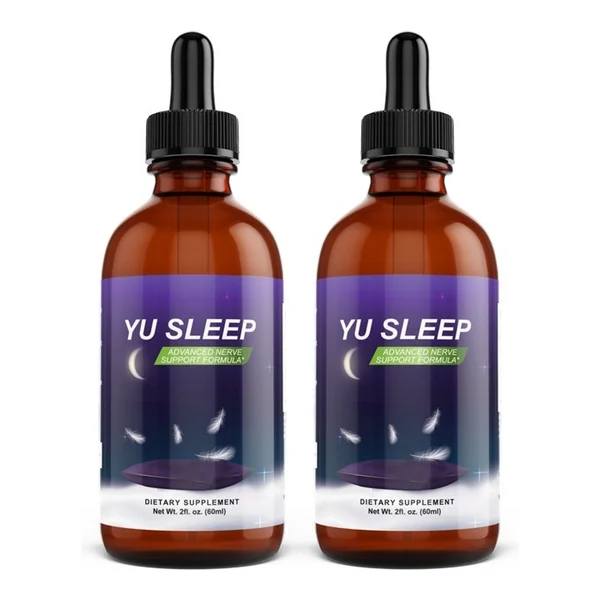
What NIH sources and the European Medicines Agency say about the Yu Sleep ingredients, who should check with a doctor first, and how melatonin and magnesium fit with other supplements you already take.

Editorial disclosure: theyusleepguide.com is an independent guide and is not the manufacturer, distributor or seller of Yu Sleep. It contains affiliate links, and we may earn a commission if you purchase through them, at no extra cost to you. These statements have not been evaluated by the Food and Drug Administration. Yu Sleep is not intended to diagnose, treat, cure, or prevent any disease. Consult a healthcare professional before use.
The order page shows the Supplement Facts panel but not a caution panel, so this page gathers what NIH sources and the European Medicines Agency say about the ingredients, one at a time. None of them studied Yu Sleep itself.
NCCIH reports only mild side effects in short-term adult studies: headache, dizziness, nausea and sleepiness. It notes that melatonin may stay active longer in older people and cause daytime drowsiness, and that there has been little research on melatonin in pregnancy or breastfeeding.
NCCIH: Melatonin safetyODS says high intakes of magnesium from supplements and medicines can cause diarrhea, nausea and abdominal cramping, and sets the adult upper limit at 350 mg a day. If you take other magnesium products, count them together.
NIH ODS: MagnesiumYu Sleep lists 0.5 mg of each. ODS sets no upper limit for riboflavin and an adult upper limit of 100 mg a day for vitamin B6, so add up the B6 from any other supplements you take.
NIH ODS: Vitamin B6The European Medicines Agency monograph covers adults and children over 12, and suggests seeing a doctor if symptoms last longer than two weeks of use.
EMA: Melissae foliumIf any of these applies to you, check with a doctor first. Take Yu Sleep only at bedtime, as the order page directs. NIH ODS: tell your health care providers about the supplements you take
NCCIH reports a study of melatonin supplements in which, for most of the products, the amount of melatonin did not match the label, and some contained serotonin. That finding is about the market in general, not about Yu Sleep, but it is one more reason to buy from the official page and keep the bottle's label.
We found no study of Yu Sleep itself. For melatonin, NCCIH lists mild side effects in short-term studies: headache, dizziness, nausea and sleepiness. Magnesium in large amounts can upset the stomach. If anything bothers you, stop and talk to your doctor.
Sleepiness is one of the side effects NCCIH lists for melatonin, and it notes that melatonin may stay active longer in older people. Take it only at bedtime, as the order page directs.
Ask your doctor or pharmacist first and show them the label. NCCIH says some people taking medicines should use melatonin only under medical supervision.
NCCIH notes a lack of research on melatonin in pregnancy and breastfeeding. Check with a doctor before using it.
The order page directs one 2 mL serving before bed. NCCIH says short-term use of melatonin appears to be safe for most people, while long-term safety information is lacking.
Add them up. ODS sets adult upper limits of 350 mg a day for magnesium from supplements and 100 mg a day for vitamin B6.
Stop taking it and talk to your doctor if anything worries you. For a refund within 60 days, email support first. The buying guide explains the return steps.
One 2 fl oz bottle holds about 30 servings of 2 mL, roughly a month at the suggested serving. Packs come in 2, 3 or 6 bottles, and orders come with a 60-day refund policy. The Yu Sleep buying guide covers ordering, support and returns.
Open the Yu Sleep Order Page